Regenerative conservation at Tswalu – beyond sustainability
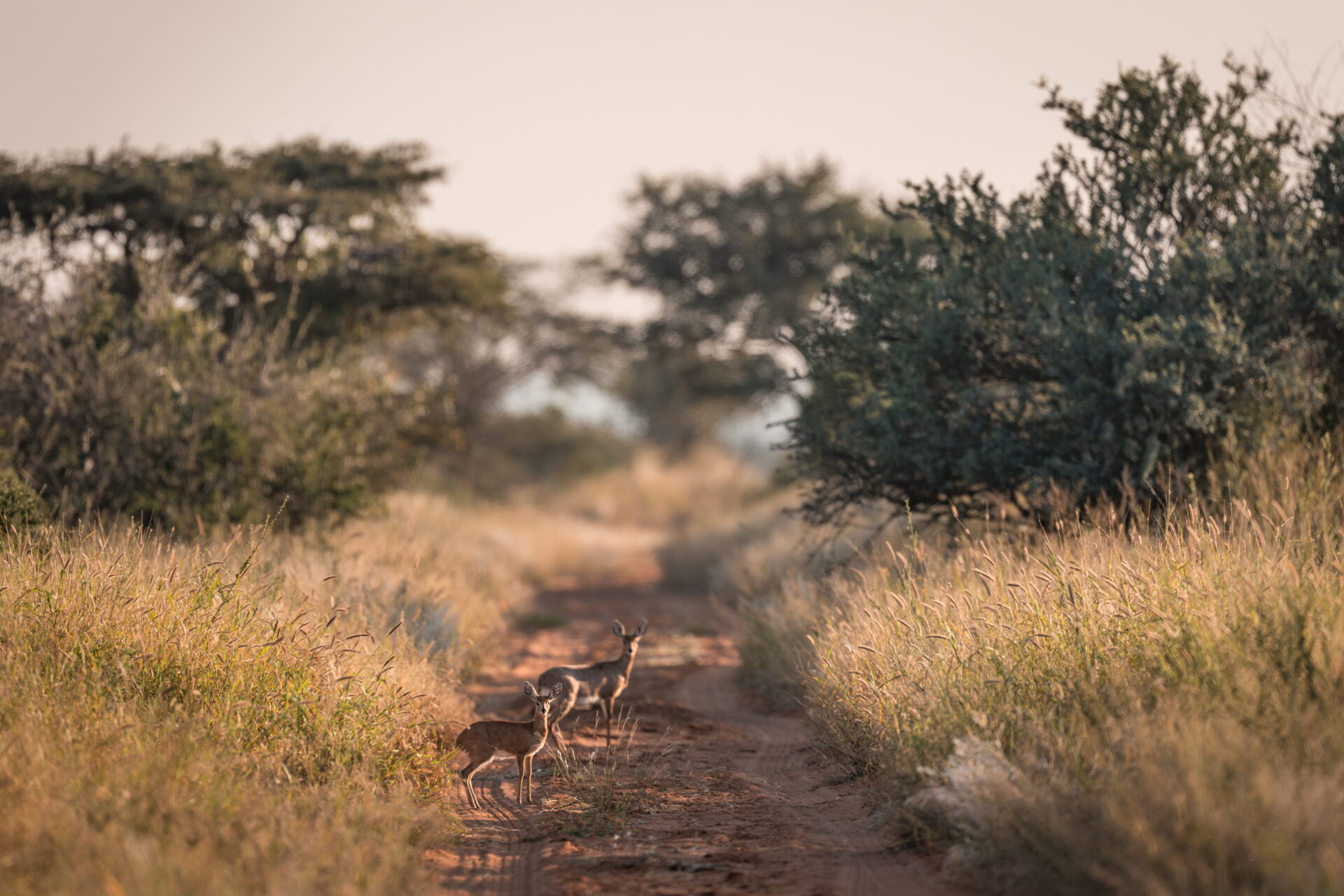
Sustainability and regeneration in conservation are often confused, but are best understood as working in tandem. Sustainability manages the land to maintain what is there and prevent degradation, aiming to do no harm. Regeneration is more ambitious, working actively to rebuild ecological function, expand habitats and free the natural processes on which biodiversity depends. Taking a regenerative approach to conservation aims for a net gain rather than holding steady.
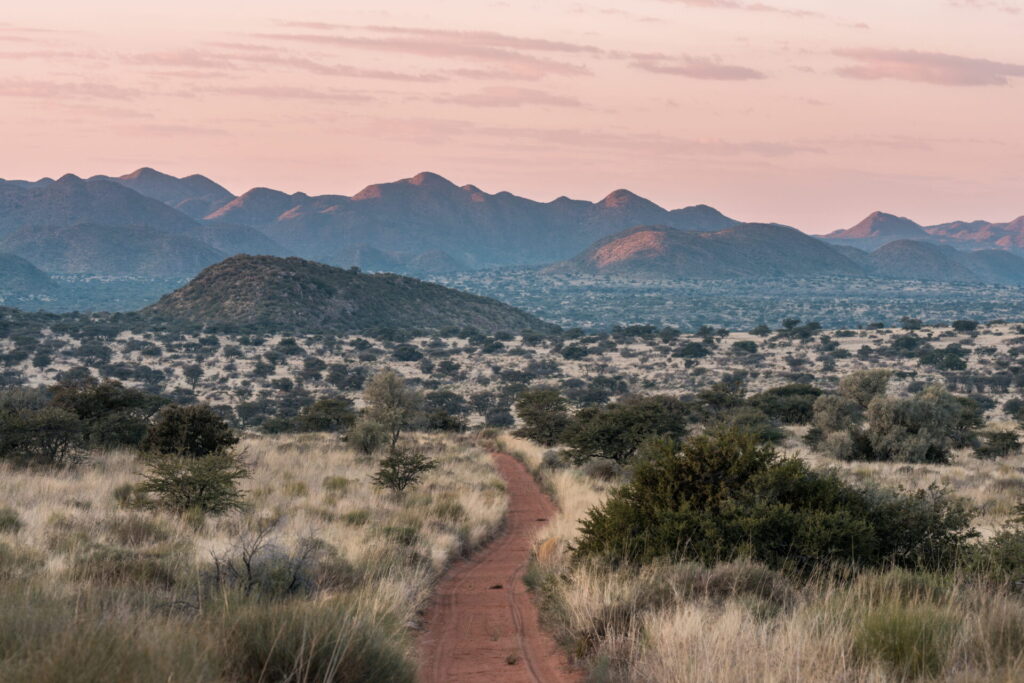
At Tswalu, which means “a new beginning” in Setswana, that ambition was there from the start. The first 14,000 hectares of farmland were consolidated in 1994 and, under the Oppenheimer family’s stewardship since 1999, Tswalu has grown to 118,000 hectares, drawn together from more than 50 former farms into the largest privately protected area in South Africa.
Much of that work has been about giving the southern Kalahari the space and time to recover. Removing the internal fences and infrastructure that once divided the land has opened up landscapes where wildlife can move freely. Tswalu manages water distribution and stocking rates so that natural grazing, movement and predation can operate as they would in a functioning wild system.
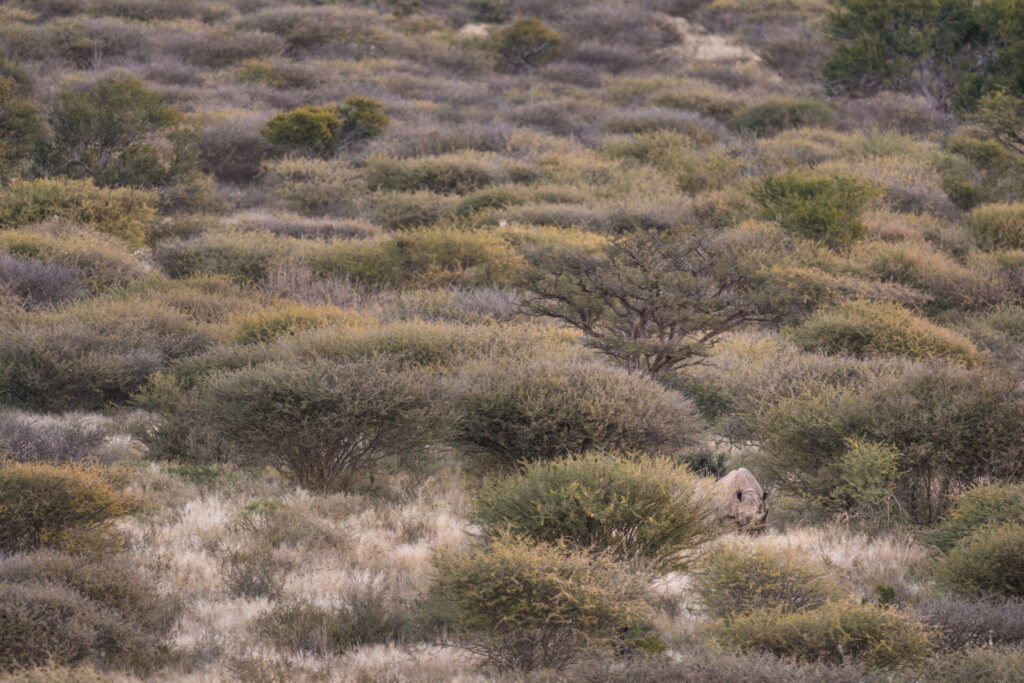
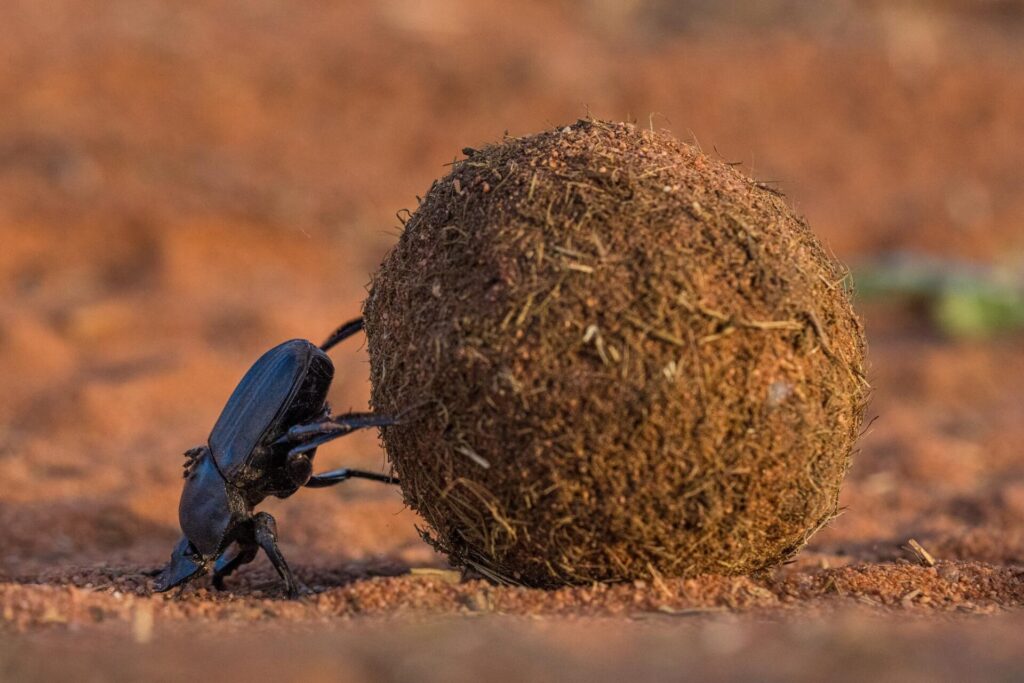
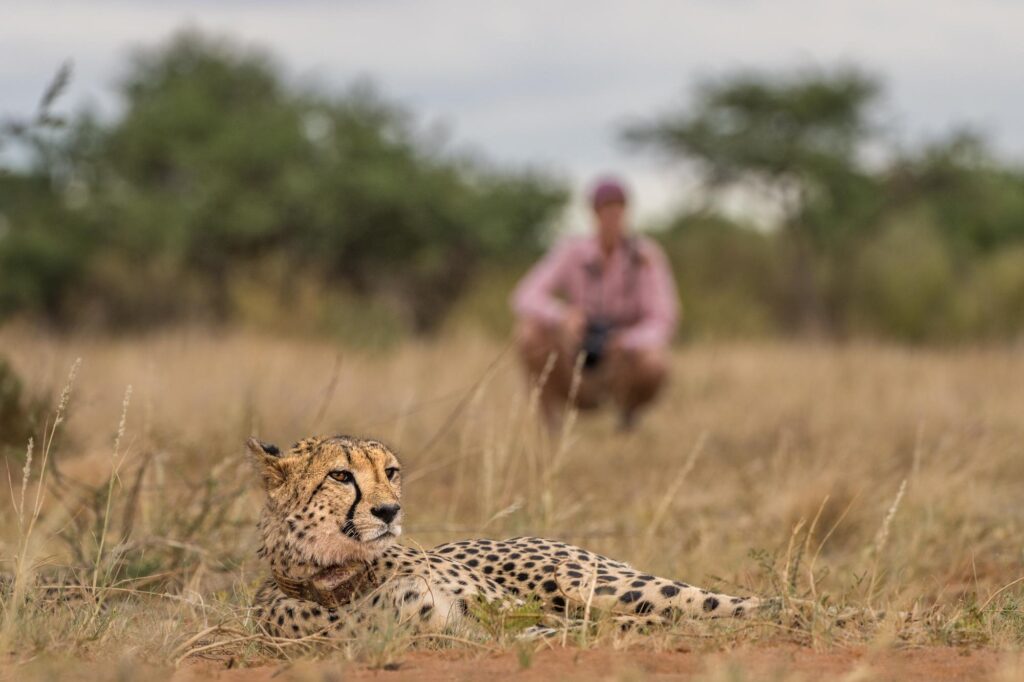
The clearest sign of that ambition is the wildlife. Over time Tswalu has reintroduced almost every large animal, from rhino and lion to giraffe, cheetah and African wild dog, returning the predators and prey whose interactions keep this semi-arid ecosystem in balance, while monitoring the reserve’s carrying capacity so that no species outgrows the veld that feeds it. Desert black rhino conservation has been particularly successful, with their bloodlines strengthened through exchanges with other private reserves. The reserve’s ecological vision also places equal value on overlooked keystone organisms, from dung beetles to sociable weavers, recognising that a healthy ecosystem relies on even its smallest components.
Tswalu also runs a soil-carbon project. Measurable carbon storage is verified through a network of 59 soil carbon monitoring stations established across the reserve. The verified credits are used to offset the reserve’s own operational emissions and sold to buyers including the Earthshot Prize, generating revenue to reinvest in conservation.
Supported by the Tswalu Foundation, the reserve also functions as a living laboratory, its long-term research measuring how the system changes over time so that management is guided by evidence rather than assumption.
Tswalu’s people are part of the same story. The shift from farmland to a low-impact wildlife reserve has created secure, lasting work for the surrounding communities, alongside hospitality training and support for small local businesses. The Tswalu Healthcare Centre reaches further still, providing free medical care, health education and emergency services to employees and to anyone living within 100 kilometres of the reserve.
This is what regeneration means at Tswalu: not a replacement for sustainability but a step beyond it. The reserve is guided by the creed to leave the world better than we found it.
DOWNLOAD THE CONSERVATION JOURNAL HERE
Images: Marcus Westberg


