How camera traps, drones and AI are changing conservation
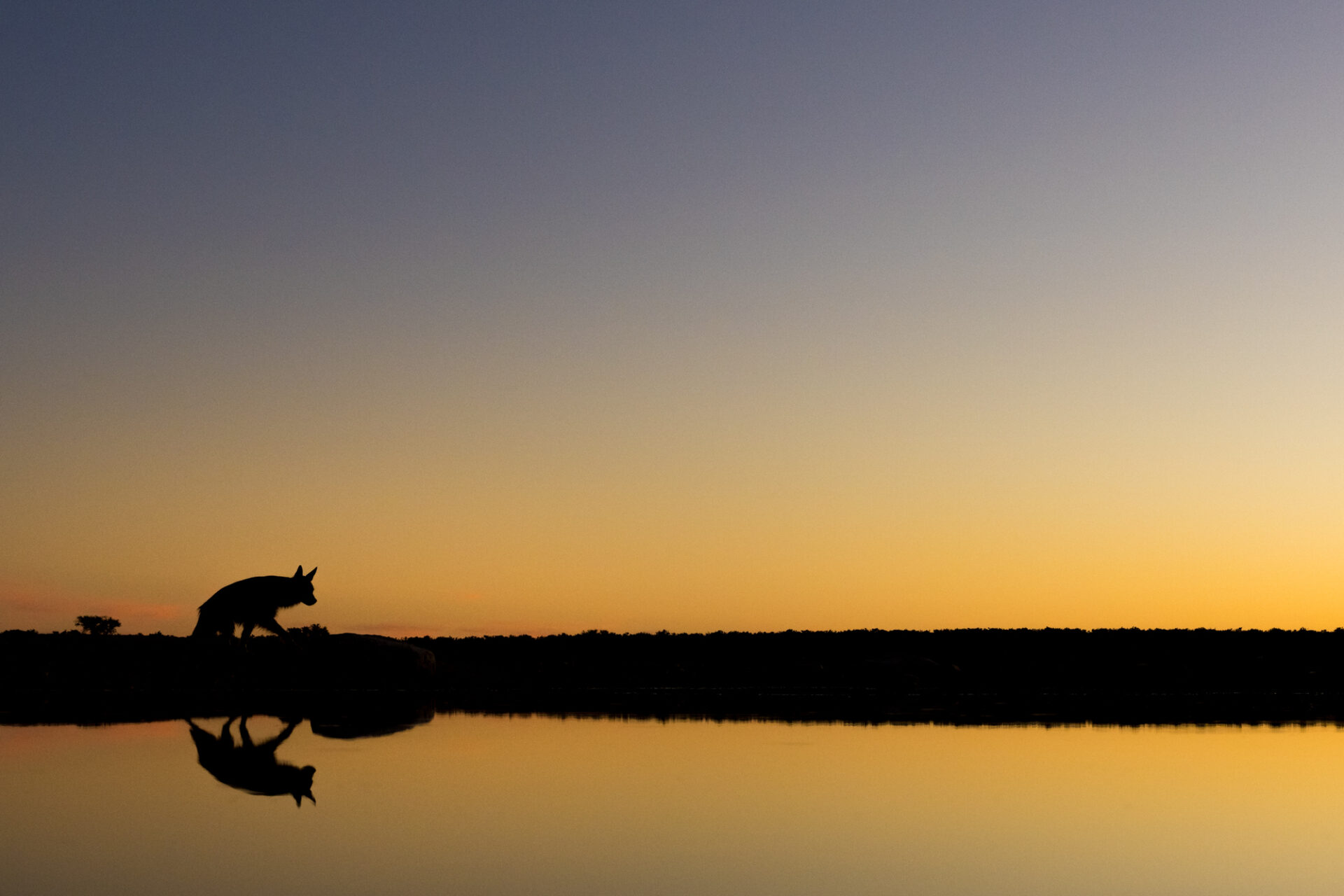
When most people think of conservation, they picture rangers, wildlife and vast landscapes. Few think of the drones, artificial intelligence, GPS satellites and camera traps that now support it all in the background. That hidden background layer is exactly what has fascinated me the most during my Work-Integrated Learning (WIL) year at Tswalu.
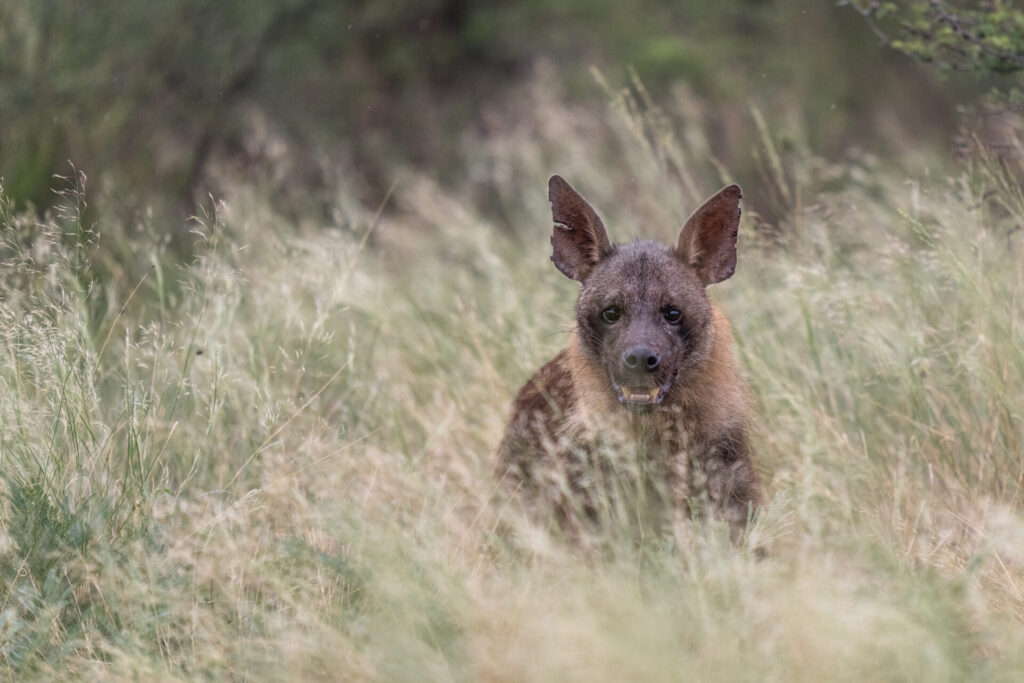
One of my main responsibilities this year has been conducting a small research project on brown hyena, a largely nocturnal species. Studying an animal that is rarely seen during the day has shown me just how important camera traps have become in modern conservation. Positioned across the reserve, they quietly record wildlife activity day and night, providing information that would otherwise be almost impossible to collect. Camera traps are non-invasive, can operate continuously for weeks or months at a time, and store large amounts of data. The images they capture can be used to confirm a species’ presence, estimate population sizes and understand how animals move across the landscape. As I’ve learnt, effective monitoring forms the foundation of good reserve management, and camera traps have become one of the most valuable tools available for the job.
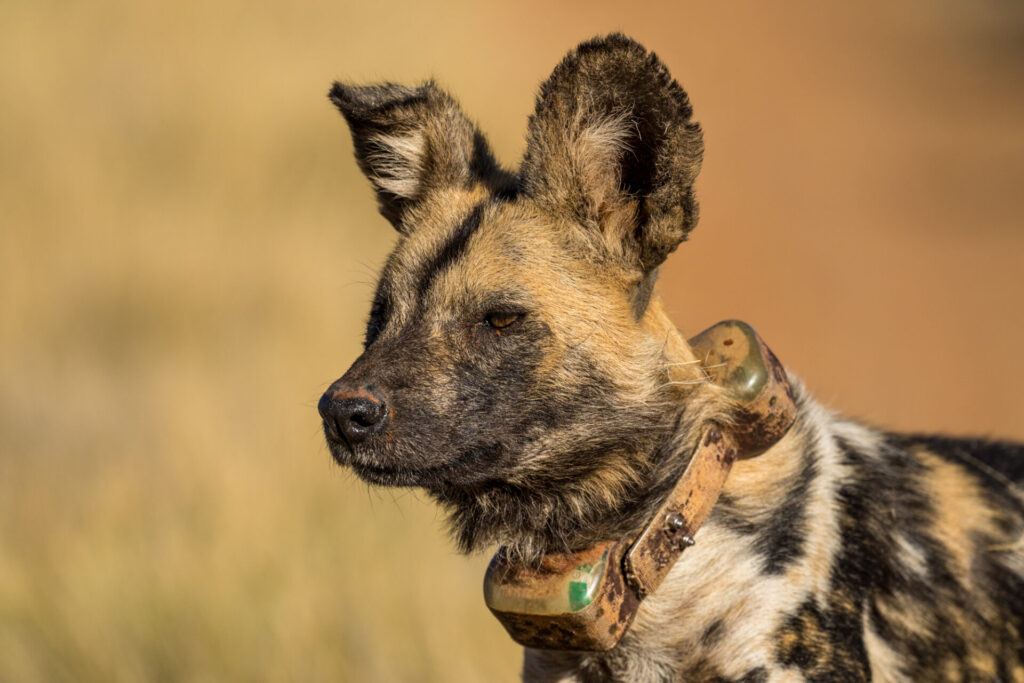
Sometimes, however, conservationists need more detailed information than camera traps alone can provide. Enter radio and GPS collars. These collars allow conservation managers to follow an animal’s movements in far greater detail. During my time at Tswalu, I have occasionally used telemetry equipment to locate a pack of African wild dogs resting during the heat of the day. The collars provide fine-scale movement data while also allowing researchers to find target animals quickly – saving time and money. As collar technology continues to improve, the units are becoming smaller, more reliable and less intrusive for the animals wearing them.
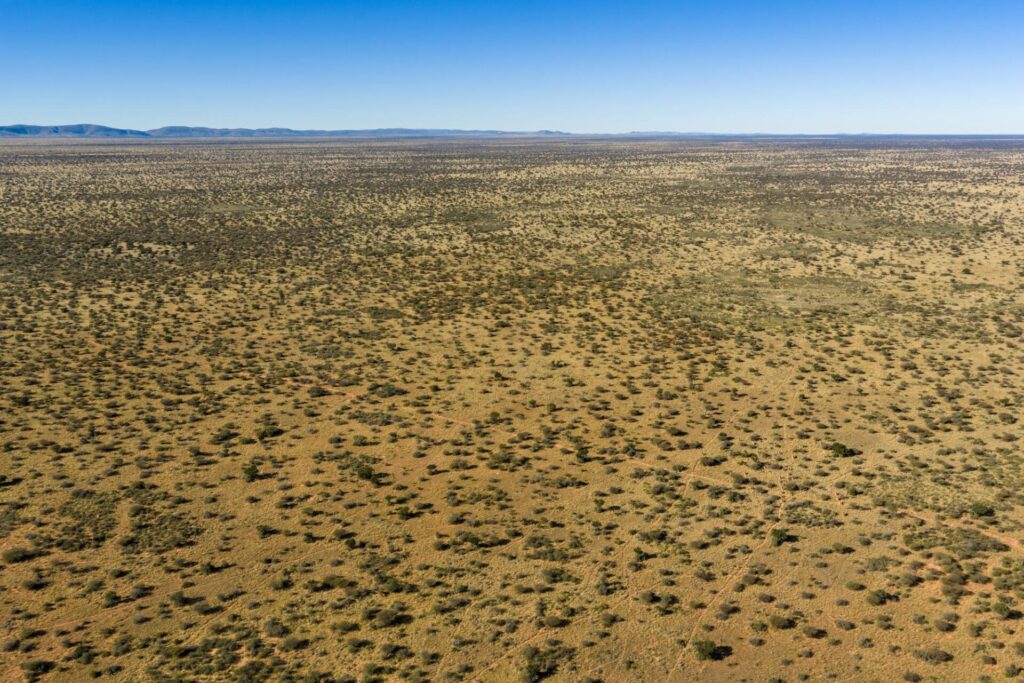
Alongside camera traps and collars, many conservation managers are now employing drone technology. Without the expense of helicopters, drones can survey remote sections of the reserve, capture high-resolution imagery and help monitor areas that are difficult to reach on foot. The information they collect supports a wide range of conservation work, from ecological monitoring to mapping habitats and identifying changes across the Tswalu landscape.
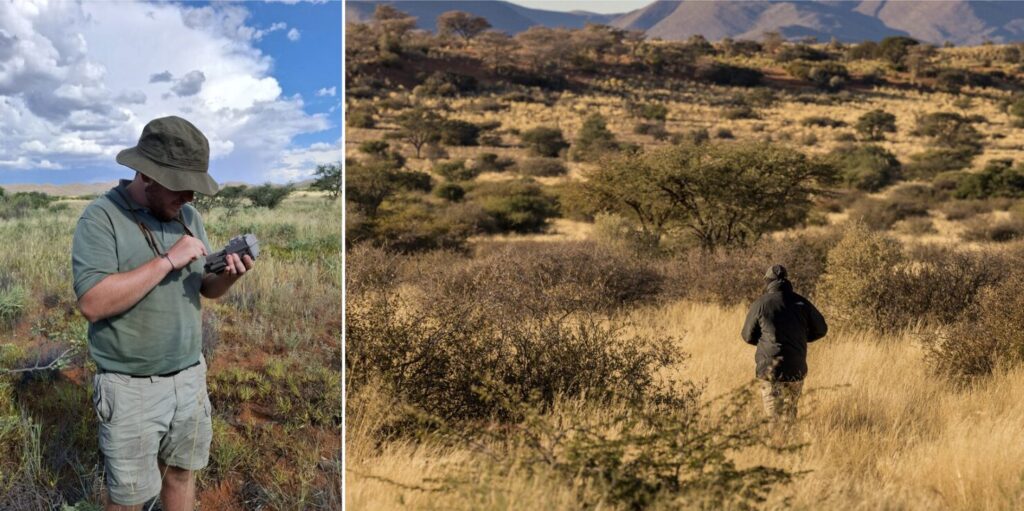
Of course, none of these technologies replaces the people working in the field every day. Rangers, researchers and reserve staff are the ones collecting observations, maintaining equipment and providing the context that gives meaning to the information being gathered. Platforms such as EarthRanger allow these observations to be shared across the reserve, like a digital notebook available to everyone who needs it.
Perhaps the technology that has impressed me most is artificial intelligence (AI). As part of my brown hyena project, I have collected thousands of camera-trap images that need to be analysed. One application of AI that I am particularly interested in is its ability to identify individual animals from photographs. This has the potential to help determine how many brown hyena individuals were recorded during my survey far more efficiently than relying solely on manual identification. As AI continues to develop, I believe it will become an increasingly valuable tool for conservation research as it transforms large data collections into meaningful conservation insights.
Technology has become an integral part of conservation, and its uses are still expanding. Drones, camera traps, artificial intelligence, GPS collars and EarthRanger are powerful tools, yet they still rely on passionate people who understand the importance of protecting biodiversity to ask the right questions, interpret the information and make sound management decisions. As someone just beginning my career in conservation, I am excited to keep learning about technology and its role in safeguarding biodiversity.
Images: Marcus Westberg


