Understanding the significance of the Korannaberg and its valleys
Understanding the significance of the Korannaberg and its valleys
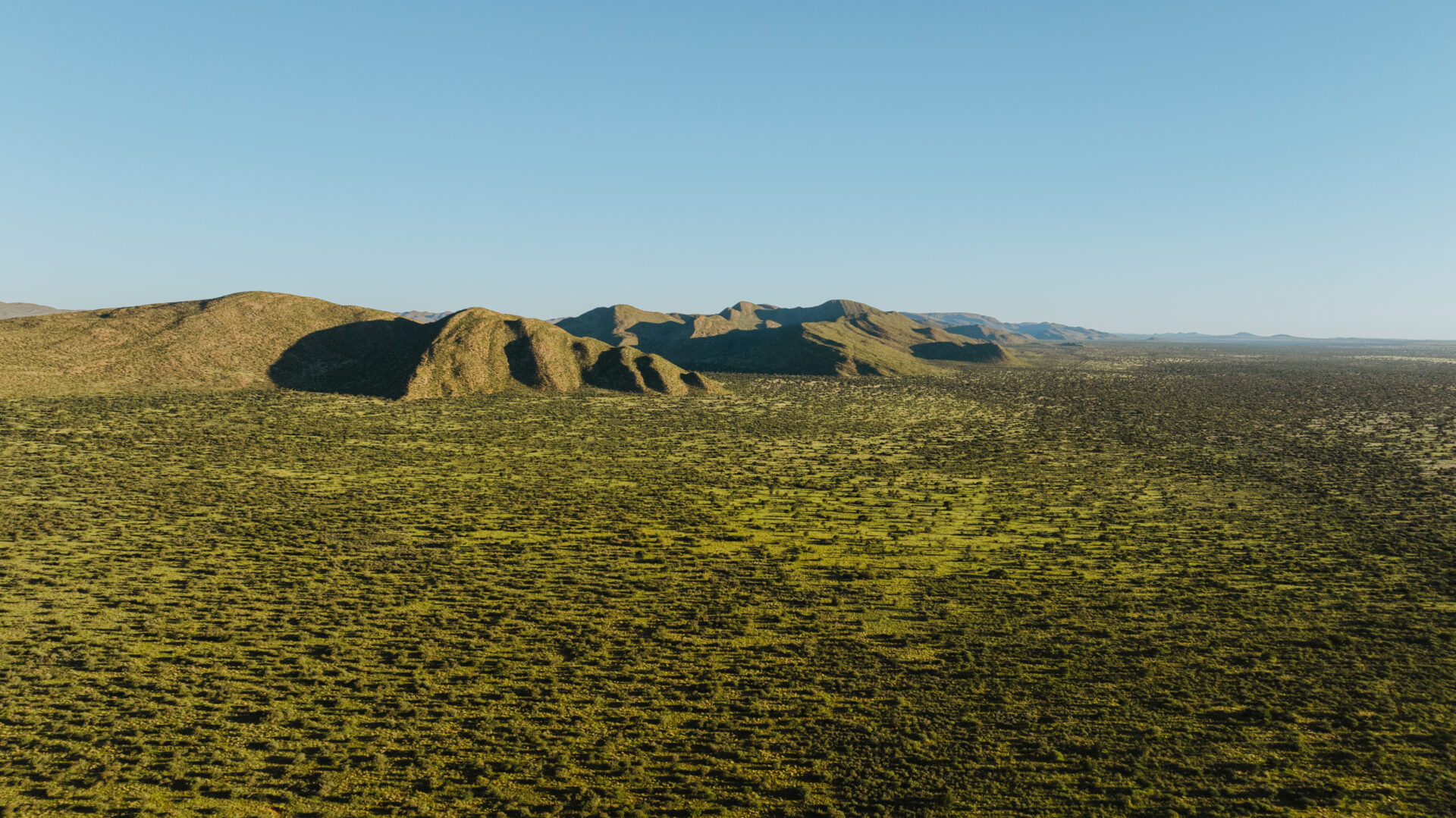
The Korannaberg is a prominent mountain range in the southern Kalahari, and its influence on Tswalu runs deep. The quartzite ridge runs north to south through the reserve, a geological fault line that not only creates habitat diversity but has made the Korannaberg a refuge for wildlife. When rain falls on dunes or forms natural pans, the water tends to soak away or evaporate rapidly. In the mountains and hills, the rock holds water, releasing it slowly. Water seeps out for months after the rains have ended, giving rise to temporary streams or wetland areas that are still evident in the dry season. Following rains that were well above the annual average this summer, water seepage has been particularly pronounced. This sustained moisture alters the local microclimate, supporting vegetation on the mountain slopes and in the valleys below that is not found elsewhere in the reserve.
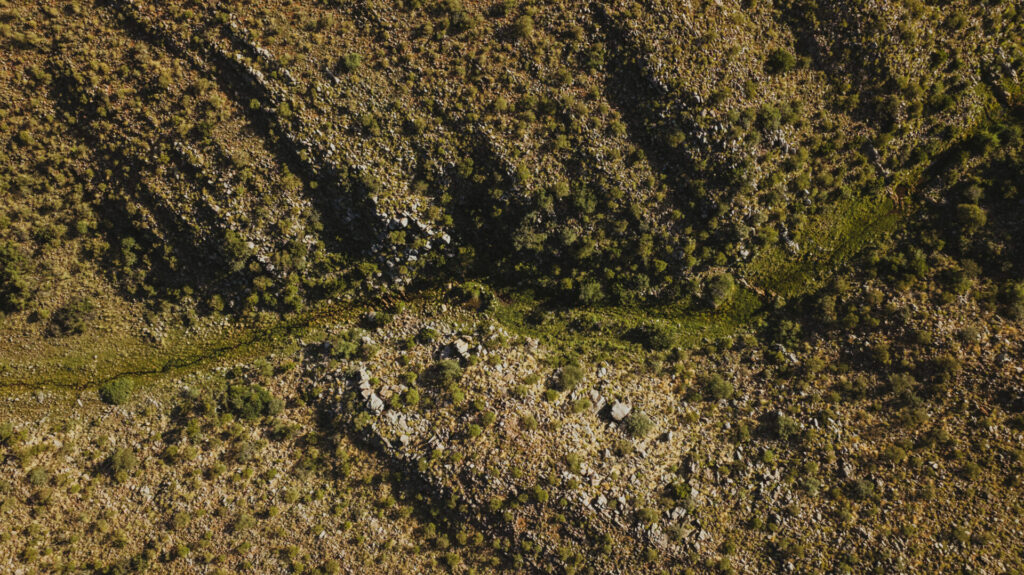
Habitat diversity, in turn, drives biodiversity. The mountain’s varying altitudes and rocky terrain create ecological niches that allow species such as Hartmann’s mountain zebra, kudu, klipspringer, and rock dassie to thrive. Namaqua rock fig, lavender fever berry, and mountain euphorbia are among the flora species found specifically in the hills. Even the bird life is distinct. Rock Kestrel, Jackal Buzzard, Short-toed Rock Thrush, African Rock Pipit, and Mountain Wheatear are some of the birds often spotted in and around the Korannaberg.
Because the mountain range runs north to south, it forms a natural barrier between the eastern and western parts of Tswalu. Game paths thread through the hills, each a natural migratory corridor worn into the earth by generations of animals following the same route through the landscape in search of water, shelter and food. The mountains are also full of rock engraving sites that speak to a long history of human activity in the area, especially around water sources.
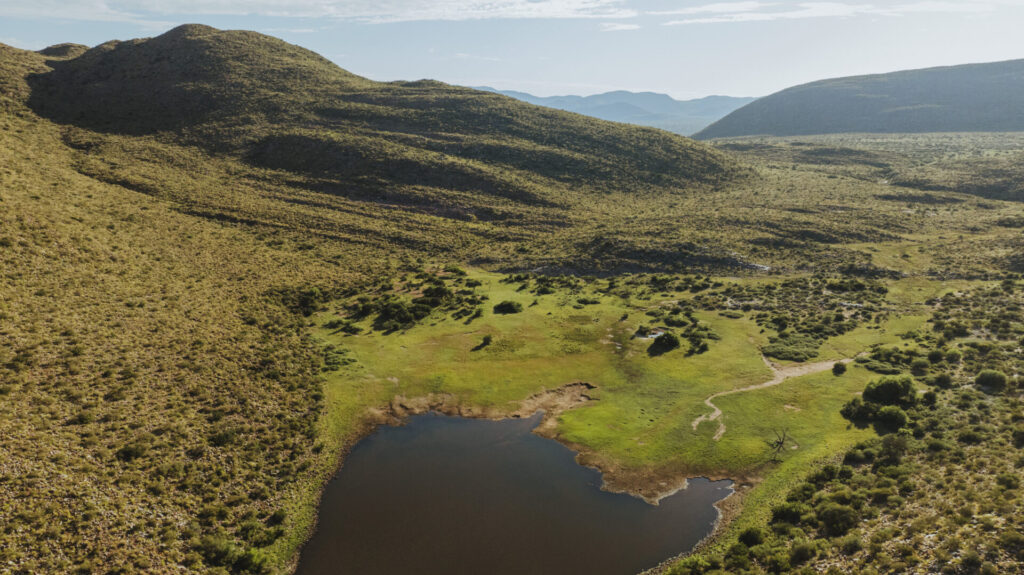
Several valleys cut through the Korannaberg from east to west, four of which are accessible to our guiding team and their guests. Dense vegetation offers cover for predators and prey alike. Besides the scenic beauty of driving through these valleys, there is always scope for unexpected wildlife sightings. Boler Valley lies closest to Motse and serves as the primary link between the Lekgaba and Korannaberg regions of the reserve. In the Gosberg Valley, Gosberg Pan and Surprise Pan draw consistent animal movement as wildlife typically concentrates around reliable water sources. Picnic Valley is the only one of the four transitions that does not have a road running through it. Once the road peters out, the valley can only be accessed on foot. This season, the valley’s wetland is carrying more water than usual. From here, it is possible to walk over the hill to Dedeben Research Centre.
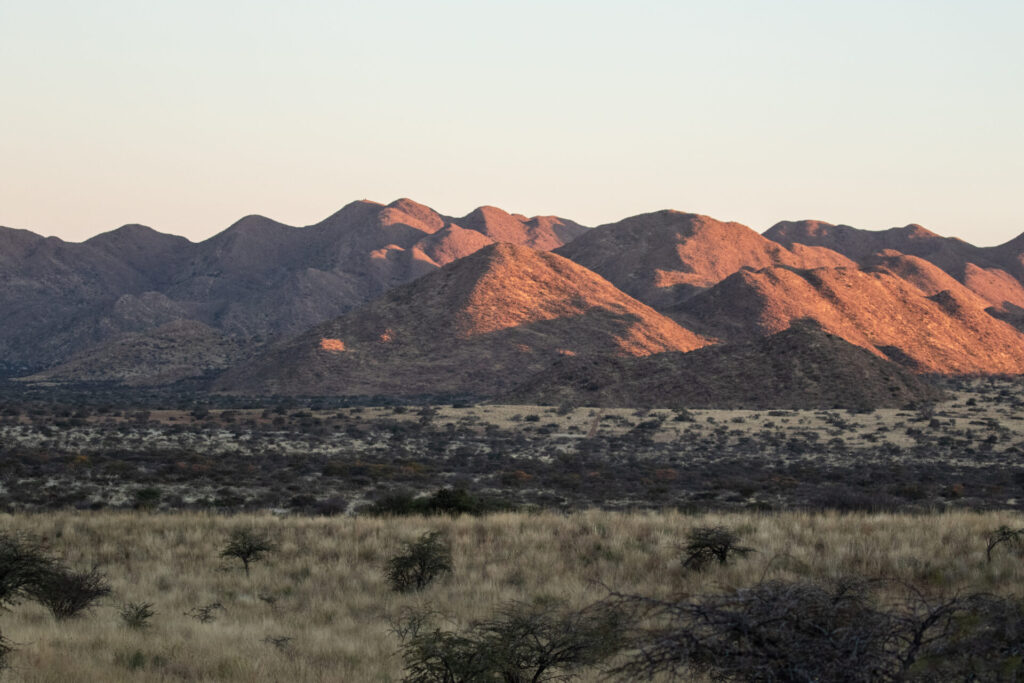
Tarkuni Valley, the most southerly notable transition, is another drainage line for the surrounding hills. The soils are clay and nutrient-rich, and the black thorn grows thick. Buffalo, Hartmann’s mountain zebra and leopard favour the terrain and dense vegetation. A week ago, one of our guides recorded distinct sets of leopard tracks, both male and female, moving up through the valley, confirmed by broader EarthRanger data in the same area.
Keeping these passages open is fundamental to how the reserve functions as a connected ecological whole and to Tswalu’s long-term goals of restoring and protecting the ecological systems of this semi-arid region.
DOWNLOAD THE CONSERVATION JOURNAL HERE
Images: Marcus Westberg


