Discover Boscia albitrunca, the shepherd’s tree
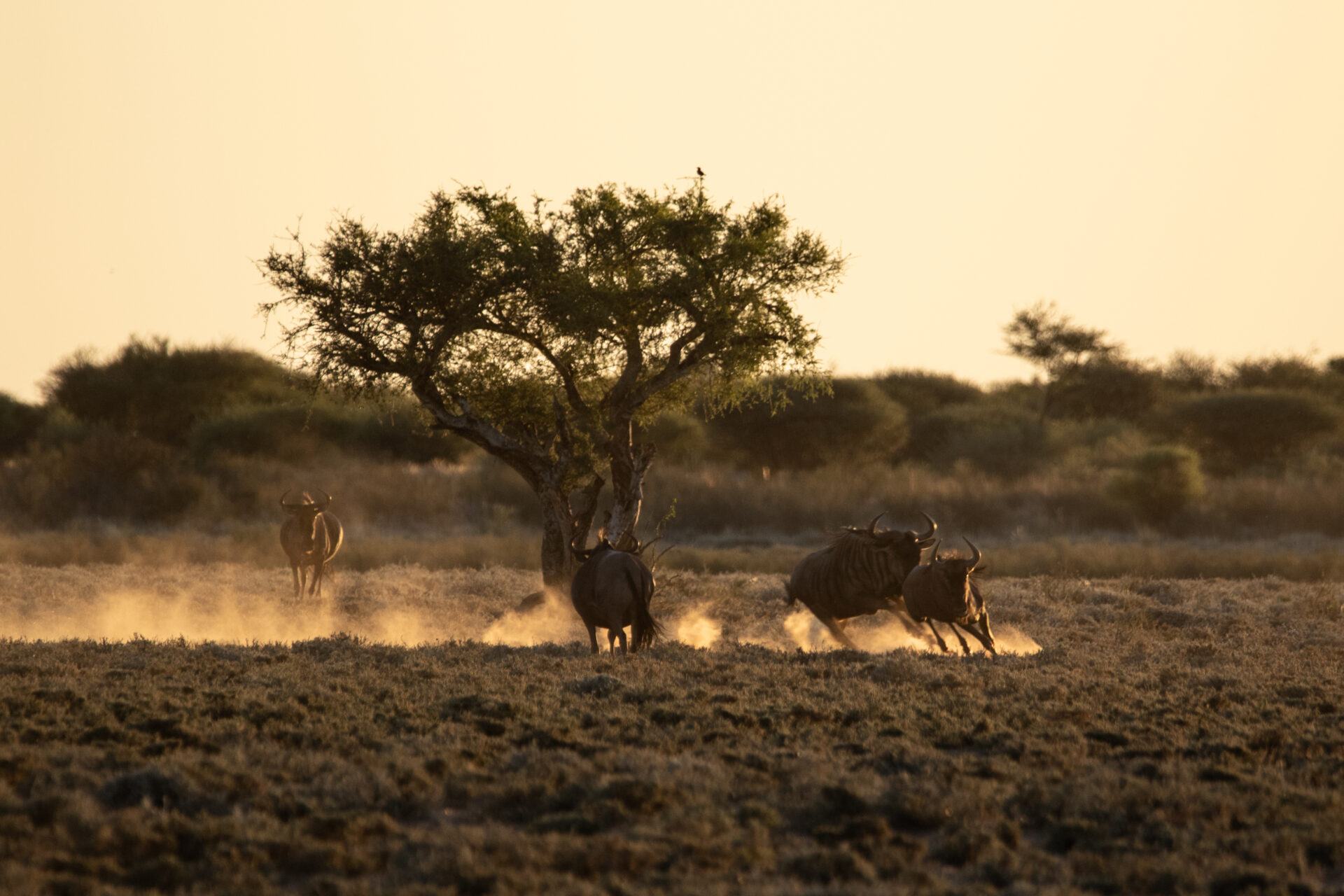
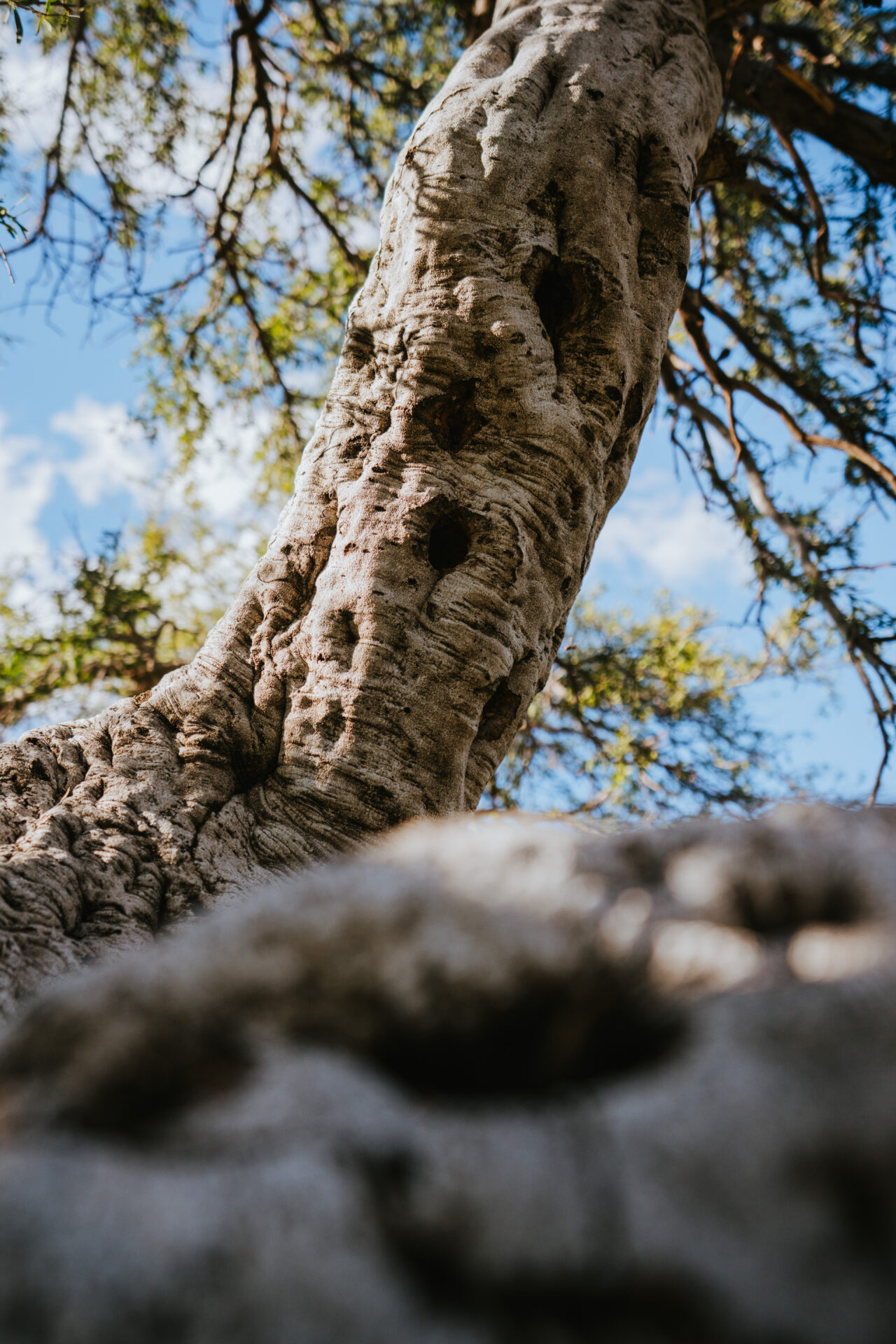
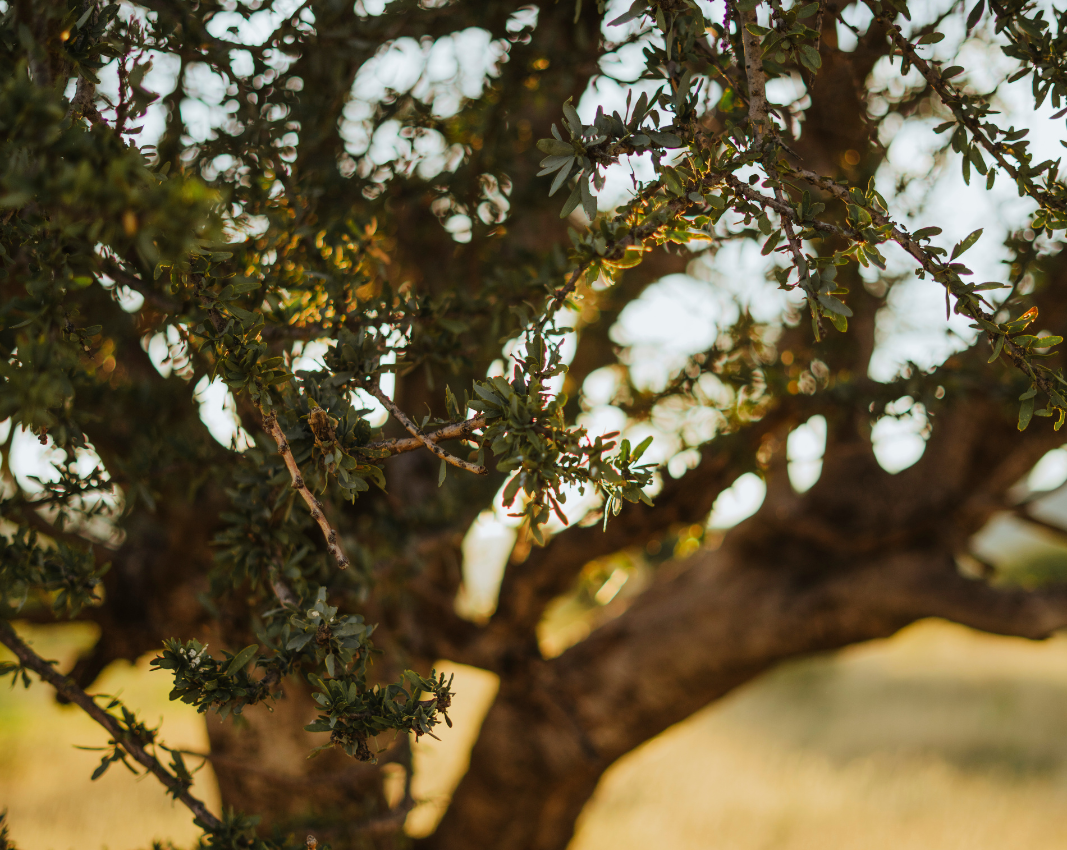
The shepherd’s tree, Boscia albitrunca, is a true ecological keystone of Tswalu’s semi-arid landscape. It endures where other species can’t, a life-support system. For centuries, humans and animals navigating the water-scarce Kalahari have relied on this “tree of life.” Its thick, umbrella-like canopy offers dense, year-round shade that dramatically lowers the ambient ground temperature beneath it, creating a microclimate that is a crucial refuge from the midday heat.
In the Kalahari, where surface water disappears for months at a time, the species sends its roots down into the earth until they find a permanent subterranean aquifer. How deep depends on how far down the water sits. The deepest recorded root system ever documented reached 68 metres. The pale trunk, the olive canopy that stays green, the flowers and berries produced with reliable consistency through the dry months – all of it is sustained by water no one can see, drawn up from a depth few people think to consider.
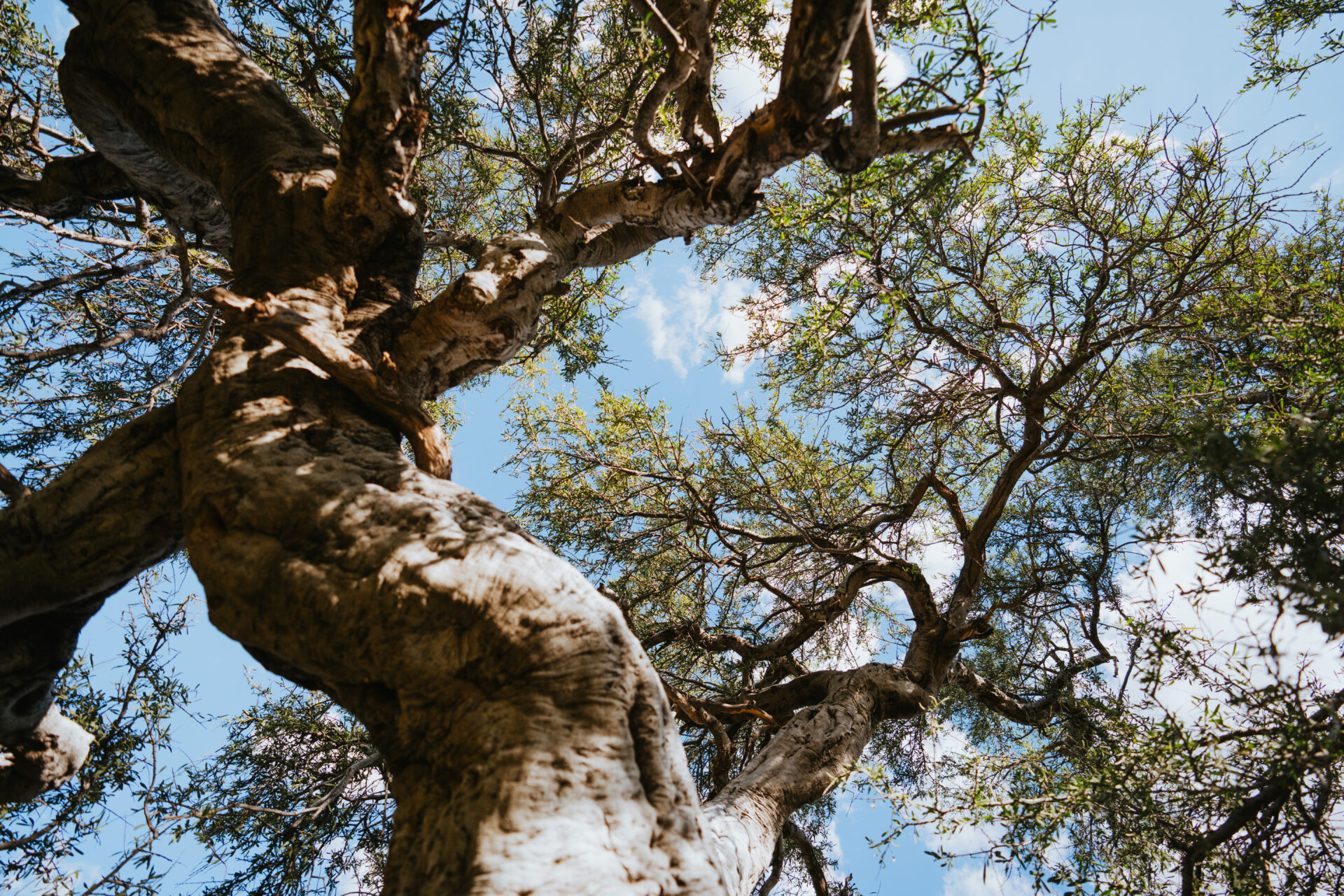
For generations, herders and travellers crossing the arid interior of southern Africa understood that where a specimen grew, there was likely water below. The tree became a wayfinding tool in a landscape with few obvious landmarks, its presence on a hillside or in a dry riverbed carrying information about what lay beneath the surface. On a summer afternoon when temperatures push past 40°C, the shade beneath its mature canopy has always been a refuge for both humans and animals.
The San considered large, ancient specimens sacred – gathering places for meetings, celebrations, and sometimes for births. The roots were harvested for food and medicine: dried, pounded, and roasted as a substitute for coffee or chicory; boiled into syrup; or placed around fresh milk or butter as a natural preservative. The unripened flower buds can be pickled as a wild caper substitute. If the berries withered early, before the sorghum crop was ready, it was read as an omen of a poor harvest. Cutting one down, or burning its wood for fuel, was believed to bring misfortune. That superstition has served the species well.
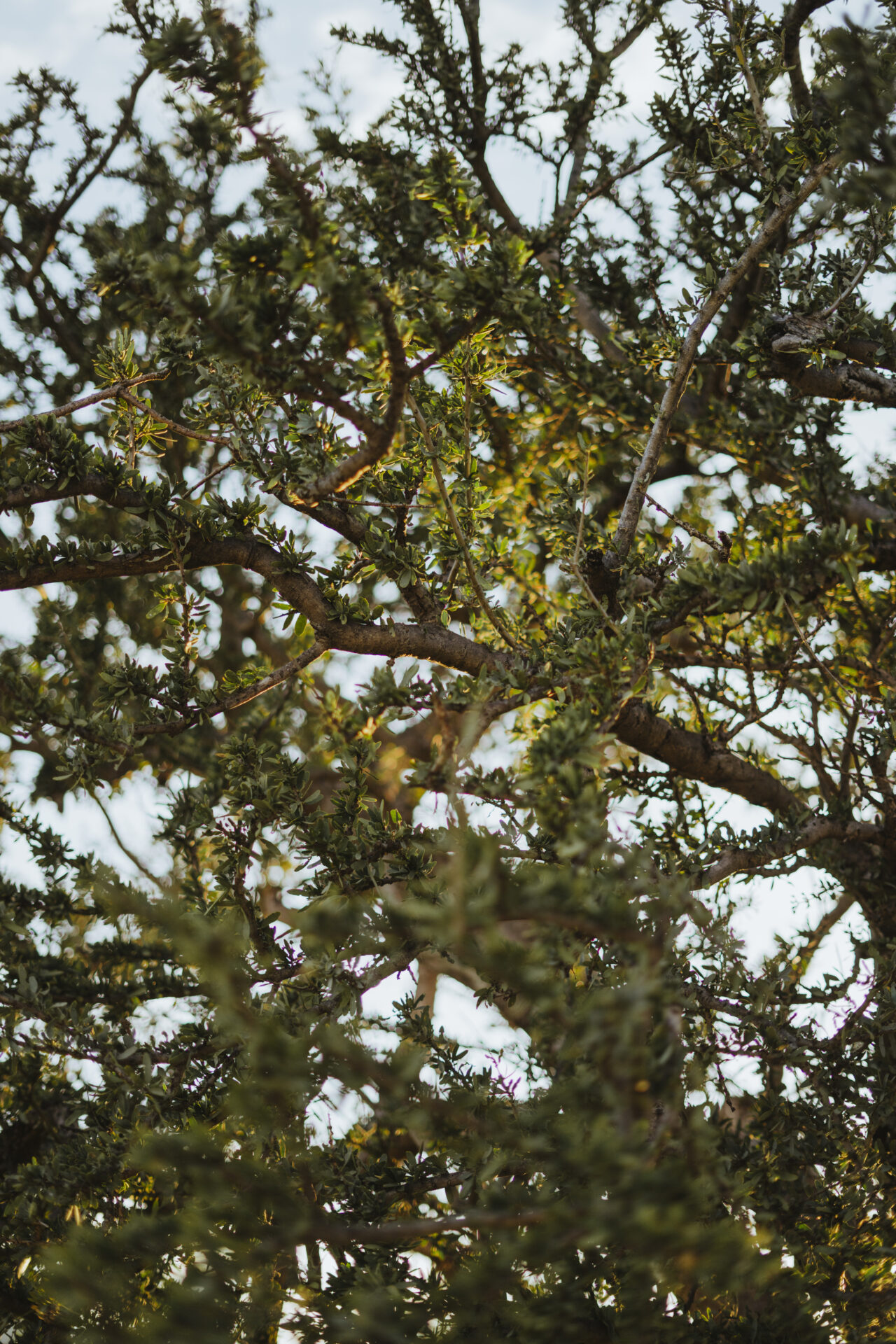
The tree is, in the most literal sense, a food source for a significant portion of Tswalu’s wildlife. Its protein-rich leaves also have high concentrations of vitamin A and are a nutritious food source for browsers like kudu and giraffe. The flowers, small and greenish-yellow, appear from July through to November and draw insects to a landscape that can seem, in the dry months, to offer very little. Its berries feed baboons, birds, and small mammals.
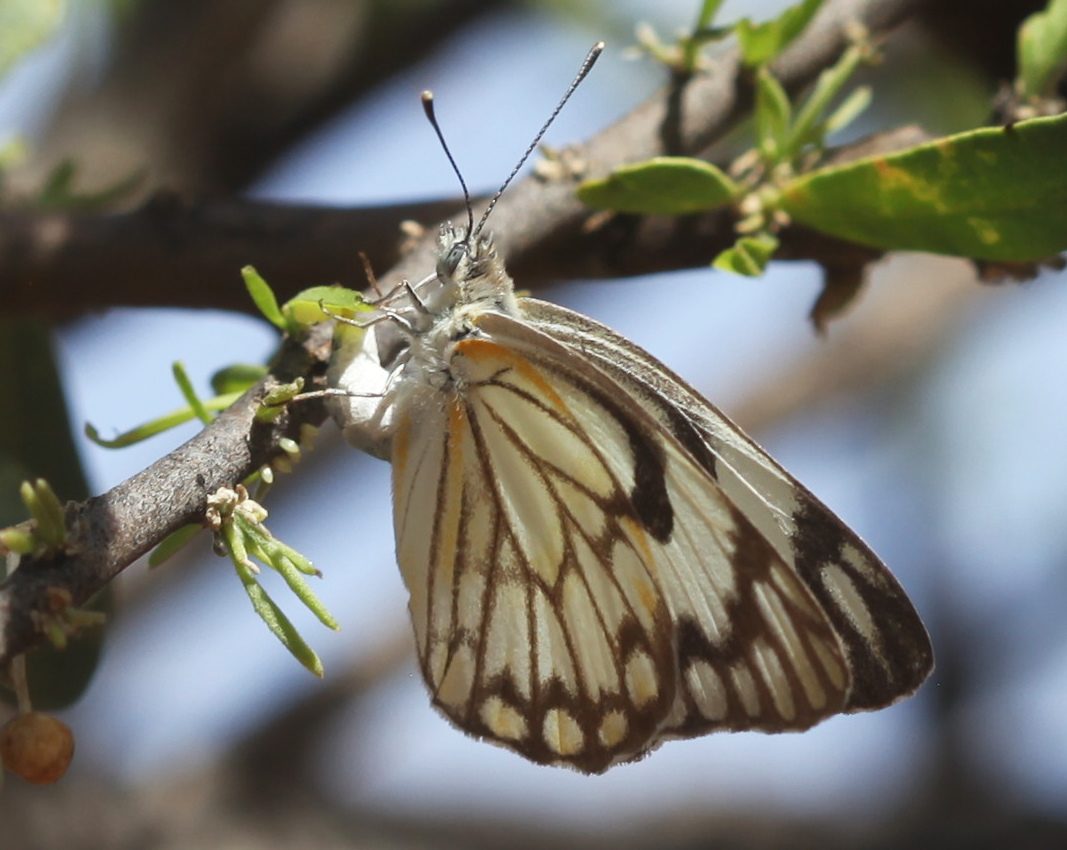
In Setswana, the tree is known as motlopi. Because the Pioneer Caper White butterfly (Belenois aurota) uses it as its primary larval host plant in the Kalahari, it is commonly referred to as the motlopi butterfly. Caterpillars feed on the leaves before metamorphosing into the adults that form the great migratory clouds moving north-eastward across the Kalahari each summer, sometimes in their millions. Research conducted at Tswalu since 2013 by lepidopterist Reinier Terblanche has confirmed that the reserve’s significant population of these trees on both sides of the Korannaberg mountains makes Tswalu a primary source area for one of the largest multi-species butterfly migrations in southern Africa.
This hardy sentinel also provides the architecture for one of the Kalahari’s most complex social structures. Sociable weavers build their massive communal nests – some containing more than 250 individual chambers – in the strong, spreading canopies of mature specimens. These nests are biodiversity hotspots in their own right, home to five roosting species beyond the weavers themselves: the African pygmy falcon, the acacia pied barbet, the ashy tit, the red-headed finch, and the scaly-feathered weaver. Each species competes nightly for the central chambers, which offer more stable temperatures through the Kalahari’s dramatic seasonal swings. Research published in January 2026 by Dr Anthony Lowney and Professor Robert Thomson of UCT’s FitzPatrick Institute of African Ornithology, conducted entirely at Tswalu, revealed the precise dominance hierarchy that governs this competition – with the African pygmy falcon, Africa’s smallest diurnal raptor, sitting uncontested at the top. Thomson and his team have monitored pygmy falcons at Tswalu for more than a decade, building a detailed long-term dataset.
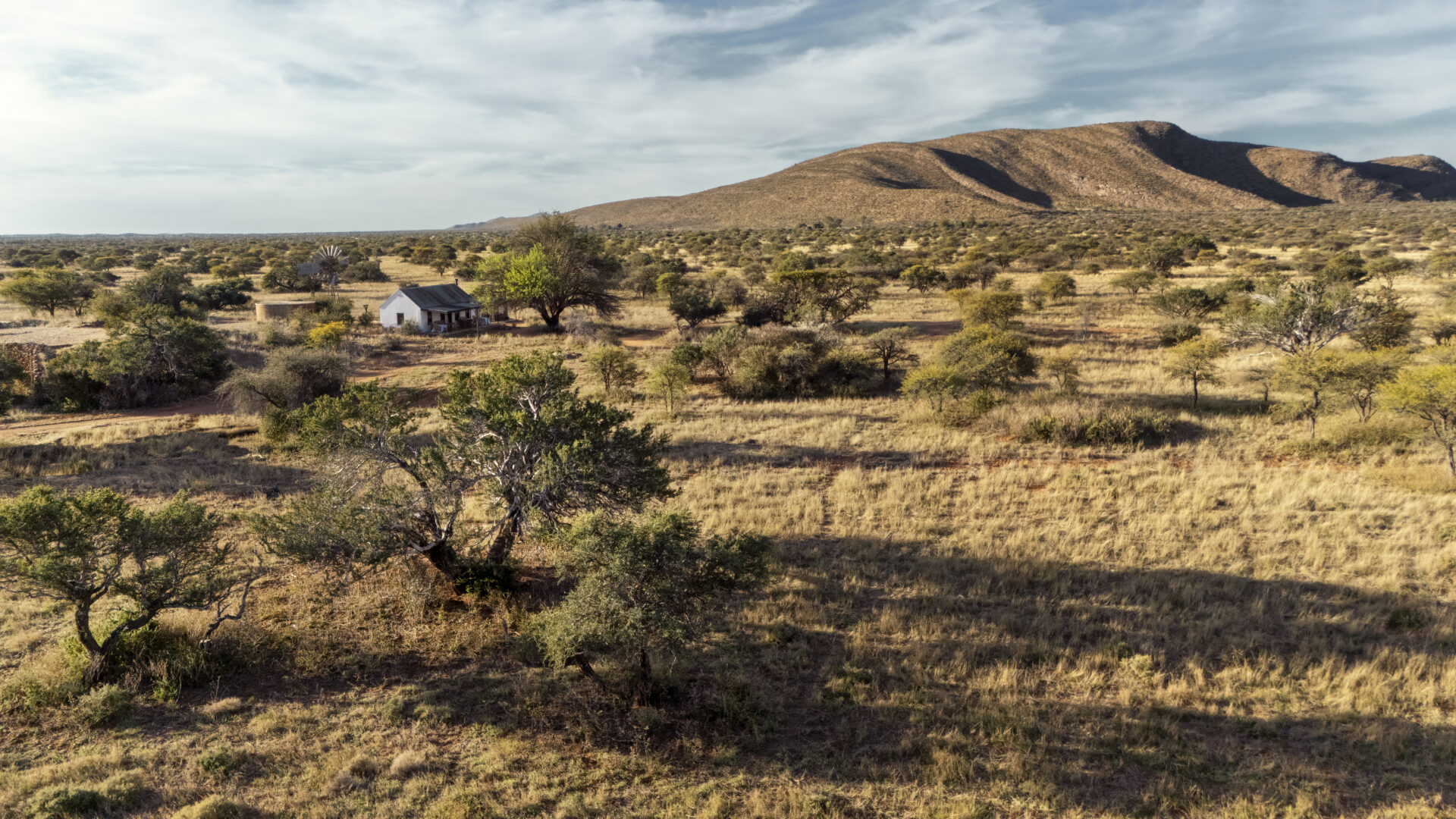
Opened in August 2026, Tswalu’s fine dining restaurant takes its name from the tree. Boscia, under the creative direction of chef Luke Dale Roberts, leads guests from the stoep of Boscia House, through the root cellar to the dining room, all inspired by the concentration of trees growing nearby.
At the heart of the restaurant, in a gallery space that links the root cellar to the dining room, stands a life-size bronze sculpture of the iconic tree by South African sculptor Nic Bladen. Bladen lived on the reserve with his family during an artist residency in 2015, and his connection to this particular tree in this particular landscape is reflected in the work.
Above ground, the shepherd’s tree offers shade, food, shelter, and a fixed point in a vast and variable landscape. Below ground, it is doing something few plants on earth can match – reaching down through metres of dry sand to find water that sustains not just the tree itself but everything that depends on it. That relationship between the visible and the hidden, between what is on the surface and what lies beneath, is the logic that shaped Boscia restaurant. It also serves as the perfect living metaphor for the Kalahari itself.
Images: Chris Joubert, Reinier Terblanche, Barry Peiser


